
Ledger.com/Start® — set up your Ledger hardware wallet
Discover Ledger.com/start with useful guidance covering Ledger hardware wallet preparation, software connectivity, account organization, recovery phrase safety, and secure digital asset management.
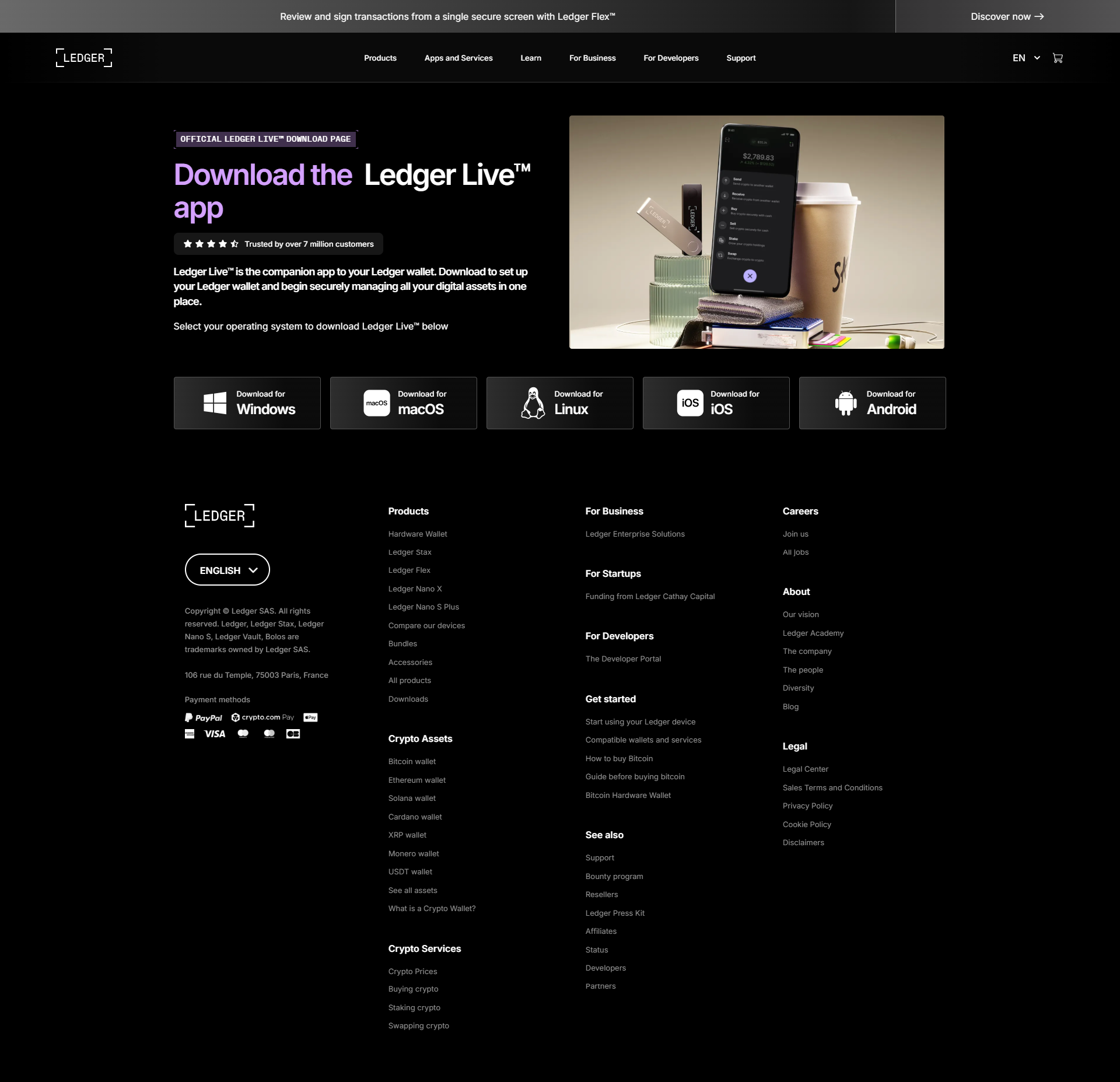
Ledger.com/start: Complete Guide to Ledger Wallet Setup
Setting up a hardware wallet is an important part of taking control of digital-asset management. A Ledger hardware wallet combines a dedicated physical device with compatible wallet software to help users manage supported cryptocurrencies and authorize sensitive operations. Ledger.com/start is commonly associated with the beginning of the Ledger wallet setup process, where users can learn how to prepare their device and establish a secure wallet-management routine.
Understanding Ledger.com/start
Ledger.com/start can be used as a starting point for learning about Ledger device setup and the software environment used alongside a compatible hardware wallet. The initial process generally involves connecting the device, following the setup instructions, configuring the wallet, and learning how to protect recovery information.
Users should always verify that they are accessing trusted Ledger resources before downloading software or entering any information. Avoid relying on links from unexpected messages, advertisements, or unfamiliar support websites.
Preparing Your Ledger Hardware Wallet
Before beginning the setup, place your Ledger device in a secure environment and make sure you have a compatible computer or supported device available. A stable connection can help make the initialization process smoother.
Connect the hardware wallet as instructed and carefully follow the prompts displayed during setup. Some operations may require you to interact directly with the physical device. Read each prompt carefully before confirming an action.
The Ledger device is an important part of the security model because sensitive wallet operations can require physical confirmation.
Setting Up Ledger Wallet Software
Compatible Ledger wallet software provides an interface for interacting with your hardware wallet. Depending on the current software and device configuration, users can access features for managing accounts, reviewing supported assets, monitoring activity, and preparing transactions.
The software interface and physical hardware have different roles. The application makes wallet management convenient, while the hardware device provides an additional layer for protecting and confirming sensitive operations.
Protecting Your Recovery Information
During wallet setup, users may be provided with recovery information that can be used to restore access to a wallet under appropriate circumstances. This information should be treated as highly confidential.
Never share your recovery phrase with another person. Do not type it into websites, online forms, emails, chat messages, or unfamiliar applications.
Avoid storing recovery information in screenshots, cloud storage, password-sharing services, or other locations that could expose it to unauthorized access. Keep your recovery information protected according to the security guidance provided for your device.
Connecting Your Ledger Device
After the initial configuration, connect your Ledger hardware wallet with the compatible software environment when required. Follow the displayed instructions and pay attention to any requests for confirmation on the physical device.
If an operation involves a transaction or another sensitive action, review the information shown directly on the hardware wallet before approving it.
This verification step can help you identify incorrect transaction details before an operation is finalized.
Managing Crypto With Ledger
Once setup is complete, the compatible software can provide tools for organizing supported cryptocurrency accounts and reviewing wallet activity. Depending on the current features available, users may be able to view balances, manage accounts, install supported blockchain applications, and prepare transactions.
When sending digital assets, carefully review the recipient address, amount, network, and other transaction information. Never approve an unfamiliar transaction simply because it appears correct on your computer screen.
Ledger Wallet Security Practices
A secure hardware wallet setup depends on more than the device itself. Everyday user behavior is also important.
Keep your recovery information private, use trusted wallet software, and verify important transactions directly on the hardware device. Be cautious with unexpected emails, messages, pop-ups, and websites that request wallet information.
If someone claims to be technical support and asks for your recovery phrase, private information, or remote access to your device, do not provide it.
Recognizing Fake Ledger Support
Cryptocurrency users can encounter websites and messages designed to resemble legitimate wallet services. These may claim that an account requires verification, synchronization, activation, or urgent security action.
Do not follow unexpected instructions simply because they use familiar branding. Instead, independently navigate to trusted Ledger resources and verify the information before taking action.
Your recovery information should never be used as a routine method of verifying an account through an online support form.
Troubleshooting Ledger Wallet Setup
If your Ledger device is not recognized during setup, begin with basic connection checks. Make sure the device is properly connected and unlocked, then review the current software requirements for your device and operating system.
If the problem continues, use current Ledger support documentation for troubleshooting. Avoid downloading drivers, wallet applications, or browser extensions from unknown sources.
Do not enter your recovery phrase into a troubleshooting website or application simply because it claims that doing so will restore access to your wallet.
Verifying Transactions Before Approval
Transaction verification is an essential part of using a hardware wallet. Before approving a transaction, compare the information displayed on the Ledger device with the transaction you intended to make.
Check the destination address and amount carefully. If the details do not match your expectations, reject the transaction and investigate the issue.
Developing the habit of checking the physical device can make cryptocurrency management more deliberate and reduce avoidable mistakes.
Building a Better Ledger Setup Routine
The Ledger.com/start process is only the beginning of responsible wallet management. After setup, continue following good security practices whenever you access your wallet.
Use trusted software, protect your recovery information, keep your hardware device secure, and verify sensitive operations directly on the device. Staying cautious about unexpected support requests and unfamiliar websites is equally important.
Final Thoughts on Ledger.com/start
Ledger.com/start provides a natural starting point for users learning about Ledger hardware wallet setup and secure cryptocurrency management. The overall process combines device preparation, compatible wallet software, recovery-information protection, account management, and transaction verification.
Taking time to understand each stage can make the setup experience clearer and help establish better security habits. Whether you are preparing a Ledger wallet for the first time or reviewing your existing setup, focus on trusted software, private recovery information, careful transaction verification, and responsible device management.
Updated about 7 hours ago