
Ledger.com/Start® | Getting started® — Ledger Support
Learn Ledger.com/start essentials with guidance covering Ledger device preparation, wallet configuration, Ledger Live connectivity, account management, and recovery phrase protection.
Ledger.com/start: Complete Guide to Ledger Wallet Setup
Setting up a Ledger hardware wallet is an important first step toward managing cryptocurrency with a dedicated hardware security device. Ledger.com/start provides a starting point for accessing Ledger’s wallet software and beginning the device setup process. From connecting the hardware wallet to creating a secure backup and installing cryptocurrency applications, each stage helps prepare the device for everyday use.
Whether you are new to hardware wallets or replacing an existing device, understanding the Ledger setup process can make initialization easier and help you avoid common security mistakes.
What Is Ledger.com/start?
Ledger.com/start is Ledger’s official wallet setup page. It provides access to the software needed to begin configuring a compatible Ledger hardware wallet and managing supported digital assets. Ledger currently presents its companion application as Ledger Wallet, formerly known as Ledger Live.
The setup experience can include downloading the Ledger Wallet application, connecting the device, initializing the hardware wallet, creating a PIN, securing the recovery information, and installing the applications required for supported cryptocurrencies.
Prepare Your Ledger Wallet Before Setup
Before starting, have your Ledger hardware wallet and its compatible connection cable ready. Use a trusted computer or mobile device and make sure you can complete the setup without interruptions.
It is also important to verify that you are using an official Ledger source before downloading wallet software. Fake websites and phishing pages can imitate legitimate cryptocurrency services, so checking the website address is an important security step.
Download Ledger Wallet
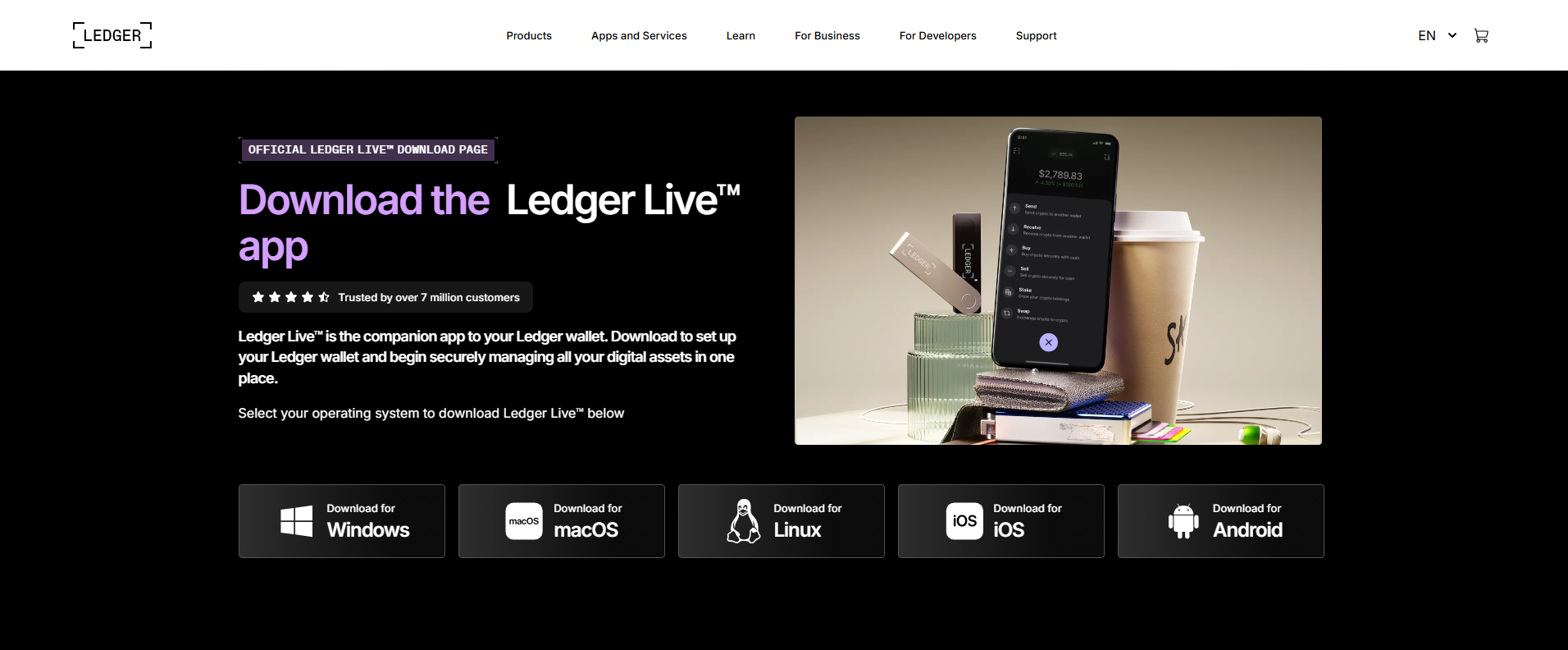
Ledger Wallet is the companion application used with Ledger hardware wallets. It is available across supported desktop and mobile platforms, including Windows, macOS, Linux, iOS, and Android.
Start from Ledger.com/start and follow the available download instructions for your operating system. Once the application has been installed, open it and follow the setup instructions displayed on screen.
Do not download wallet software from unknown websites or links received through unsolicited messages.
Connect Your Ledger Hardware Wallet
After opening the Ledger Wallet application, connect your Ledger device using the supported connection method.
The application can guide you through the device initialization process. Follow the instructions carefully and pay attention to information displayed on the physical Ledger device.
A hardware wallet is designed to keep private keys protected on the device while allowing users to interact with cryptocurrency applications through companion software.
Create a Secure PIN
During initial configuration, the Ledger device guides you through creating a PIN. This PIN helps protect access to the physical device.
Choose a PIN that is difficult for another person to guess and avoid using obvious combinations. Never tell another person your device PIN.
Keep in mind that the PIN and recovery information serve different purposes. The PIN helps protect access to the physical device, while the recovery phrase is used as a backup for wallet access.
Write Down Your Recovery Phrase
One of the most important parts of Ledger wallet setup is securing the Secret Recovery Phrase.
Ledger explains that the recovery phrase acts as a backup for the wallet's private keys. It should be recorded according to the instructions provided during setup and kept somewhere secure and offline.
Never share your recovery phrase with another person. Do not type it into websites, emails, online forms, cloud storage, or messages.
Anyone who obtains the necessary recovery information may potentially gain access to the associated wallet, so protecting it is an essential part of responsible hardware-wallet management.
Install Cryptocurrency Applications
After initializing your Ledger device, the companion application can be used to manage applications associated with supported cryptocurrencies.
Ledger's current documentation explains that users can access the relevant management section of the wallet application and install the applications needed for their chosen assets.
For example, if you want to manage a supported cryptocurrency, you may need to install its corresponding application on your Ledger device before creating or managing an account.
Create a Crypto Account
Once the required application is installed, you can create an account for a supported cryptocurrency through Ledger Wallet.
The account provides an interface for viewing balances and transaction activity. Depending on the asset and available features, the application may also allow users to send, receive, buy, swap, or stake supported cryptocurrencies.
Always review transaction information carefully before approving an operation on your Ledger device.
How Ledger Hardware Wallets Protect Private Keys
A Ledger hardware wallet is designed to keep private keys protected on the physical device rather than exposing them directly to an internet-connected computer.
Ledger describes its hardware wallets as using Secure Element technology to protect private keys and help users verify transaction details before signing.
The companion application provides the interface for managing accounts, while the hardware wallet plays an important role in authorizing transactions.
Ledger Live and Ledger Wallet
Users searching for “Ledger Live” may notice that Ledger now uses the name Ledger Wallet for its companion crypto application. Ledger's current pages describe Ledger Wallet as formerly Ledger Live.
This means searches for terms such as “Ledger Live,” “Ledger Live app,” and “Ledger wallet app” may refer to the same broader companion-software ecosystem, while the current product naming uses Ledger Wallet.
Ledger Login: What You Need to Know
The phrase “Ledger login” can sometimes cause confusion because a hardware wallet does not work like a conventional website account that requires a username and password.
Ledger's wallet application is designed to work with the physical Ledger device. The device itself participates in the authorization of sensitive operations.
Be extremely cautious if someone asks for your recovery phrase, PIN, or private information in order to “verify” a Ledger wallet or complete a supposed Ledger login.
Ledger Wallet Security Tips
Good security practices remain important after the initial setup.
Keep your recovery phrase offline and private.
Use official Ledger software and verify download sources carefully.
Never share your recovery phrase with customer support or another person.
Do not enter your recovery phrase into a website or computer application.
Review cryptocurrency addresses and transaction details before confirming them.
Keep your Ledger software and device firmware updated through trusted sources.
If you receive a message claiming that your Ledger wallet is locked, compromised, or requires immediate verification, independently check the request through official Ledger resources instead of following an unsolicited link.
Using Ledger.com/start for a New Device
For someone setting up a new Ledger hardware wallet, Ledger.com/start provides a convenient starting point for the official onboarding process.
The setup can take you from downloading the companion application through device initialization, PIN creation, recovery backup, application installation, and account management.
Following the official setup flow also reduces the need to rely on third-party downloads or unverified instructions.
Managing Crypto After Ledger Setup
Once your device has been configured, Ledger Wallet can serve as the interface for managing supported crypto accounts.
Users can monitor their portfolio and account activity and access supported transaction and asset-management features. Ledger's current wallet application supports desktop and mobile platforms and is designed to work alongside Ledger hardware devices.
The available features can vary according to the cryptocurrency, device, platform, and third-party service involved.
Final Thoughts on Ledger.com/start
Ledger.com/start is a useful starting point for configuring a Ledger hardware wallet and accessing the companion wallet application. The setup process covers important steps such as connecting the device, establishing security credentials, protecting the recovery phrase, installing cryptocurrency applications, and creating accounts.
A successful setup is only the beginning of secure cryptocurrency management. Continue protecting your recovery information, verify software sources, review transactions carefully, and use the physical Ledger device when authorization is required.
By following a careful setup process and maintaining good security habits, users can establish a structured environment for managing supported digital assets with their Ledger hardware wallet.
Updated about 9 hours ago