
Ledger.com/Start® — Getting Started with Ledger Live™
Discover Ledger.com/start with helpful guidance for initializing a Ledger device, connecting compatible wallet software, managing accounts, and maintaining responsible crypto security.
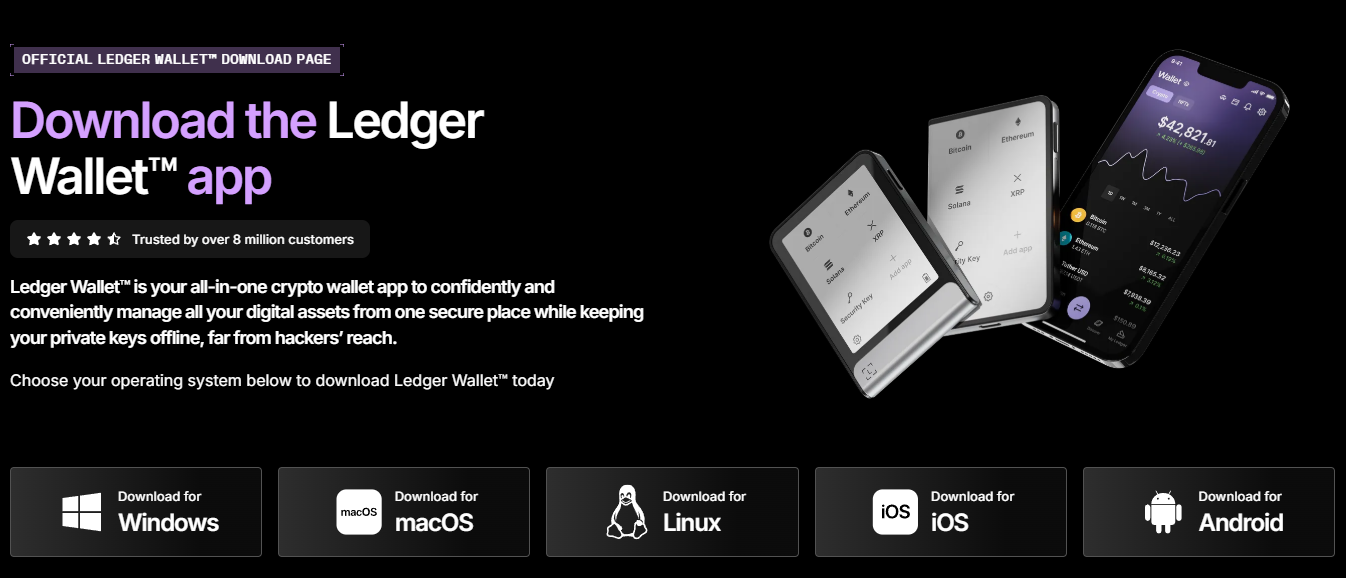
Ledger.com/start: Guide to Ledger Wallet and Ledger Wallet App Setup
A Ledger hardware wallet provides a dedicated way to manage supported digital assets while keeping important wallet credentials protected by the physical device. For new users, the setup process starts by accessing the appropriate Ledger resources, installing the companion software, initializing the device, and securing the wallet backup.
Ledger.com/start provides an entry point for this process. It can help users move from an unused Ledger device to a configured wallet that can be managed through the Ledger Wallet App.
Getting Started With Ledger.com/start
When setting up a Ledger device, begin by checking that you are using the legitimate Ledger website. The setup page provides access to the resources needed for configuring a compatible Ledger hardware wallet.
The process generally involves connecting the device, installing or opening the Ledger companion application, following the initialization instructions, creating device security settings, and preparing the wallet for supported cryptocurrencies.
Because cryptocurrency wallets handle valuable assets, users should avoid rushing through the setup or following instructions from unverified sources.
Ledger Wallet and Hardware Security
A Ledger wallet combines dedicated hardware with companion software. The physical device is designed to protect private keys and provide a secure environment for approving transactions.
The Ledger Wallet App provides the software interface where users can view supported accounts and interact with their assets. Important actions can require confirmation through the physical hardware wallet.
This separation between the software interface and hardware authorization is an important part of understanding how a Ledger wallet works.
Installing the Ledger Wallet App
The Ledger Wallet App is the current name associated with Ledger's companion application, formerly known as Ledger Live.
If you previously used Ledger Live, you may see updated Ledger Wallet terminology when accessing current Ledger resources. Searches for “Ledger Live app” can therefore lead users to information about the current Ledger Wallet application.
For a new installation, use the official Ledger setup resources rather than downloading software from an unknown third-party website.
Connect and Initialize the Device
After opening the Ledger Wallet App, connect the hardware wallet using the supported connection method.
The application can guide you through the initial setup. Depending on the Ledger device, this may include checking the device, installing firmware, creating a PIN, and initializing a new wallet.
Follow the instructions shown by the software and hardware device carefully. When the physical Ledger displays information that requires confirmation, check the details before approving the action.
Creating a New Ledger Wallet
During setup, you can follow the device instructions to create a new wallet when supported by your configuration.
The hardware wallet handles important wallet-security operations, while the Ledger Wallet App provides the interface for managing accounts and supported assets.
Do not use a recovery phrase supplied by another person when creating a new wallet. If you are setting up a new device, follow the official initialization procedure and record the recovery information generated during setup.
Keep Your Recovery Phrase Private
Your recovery phrase is critical to wallet security.
Record it carefully during the setup process and store it in a secure offline location. Avoid saving it as a digital document or photograph and never send it through email, social media, or messaging applications.
A person who obtains your recovery information may be able to restore the wallet elsewhere. For that reason, the recovery phrase should remain private at all times.
Ledger support should never need you to disclose your recovery phrase.
Ledger Live Login Explained
The phrase Ledger Live login is frequently used by people searching for access to their Ledger wallet software. However, users should be cautious about treating a hardware wallet like a traditional online account.
Ledger's wallet environment works together with the physical Ledger device. Depending on the task, connecting and unlocking the device may be required before wallet information or transaction functions become available.
Be particularly careful with websites that ask for your recovery phrase as part of a supposed Ledger Live login, account verification, wallet synchronization, or security check.
Adding Supported Crypto Accounts
After the Ledger wallet has been initialized, the Ledger Wallet App can be used to add supported cryptocurrency accounts.
Depending on the asset, the required cryptocurrency application may first need to be installed on the hardware wallet. Once the appropriate application is available, users can follow the software instructions to add the corresponding account.
Account availability and supported features depend on the cryptocurrency, Ledger device, software version, and other technical requirements.
Sending and Receiving Cryptocurrency
The Ledger Wallet App can provide tools for supported sending and receiving operations.
When receiving cryptocurrency, carefully verify the account and address before using it. When sending assets, check the destination address, amount, network, and other transaction details.
The information displayed on the physical Ledger device should be reviewed before approving a transaction. If the details do not match what you intended to do, do not confirm the operation.
Ledger Wallet App for Everyday Management
After completing the initial setup, the Ledger Wallet App can be used to organize supported accounts and monitor wallet activity.
Depending on the supported asset and available services, users may be able to view balances, track transactions, manage accounts, and access additional cryptocurrency features.
The app acts as an interface for wallet management, while the hardware device remains an important part of the authorization process for sensitive operations.
Recognizing Fake Ledger Websites
Security does not end after the Ledger wallet is configured. Users should remain alert for fraudulent websites and messages that imitate Ledger.
A suspicious website may use familiar terms such as “Ledger login,” “Ledger Live login,” “wallet verification,” or “account recovery” to persuade users to provide sensitive information.
Never enter your recovery phrase into an unfamiliar website. If you receive an unexpected message about your wallet, independently navigate to the official Ledger website rather than clicking an unsolicited link.
Keep Your Ledger Setup Secure
Several simple habits can improve the security of a Ledger wallet:
Keep the recovery phrase offline and private.
Never disclose the device PIN.
Download the Ledger Wallet App from an official source.
Check website addresses carefully.
Do not approve unfamiliar transactions.
Verify transaction information on the physical Ledger device.
Install software and firmware updates through trusted Ledger channels.
Be suspicious of urgent messages requesting wallet verification.
These practices help reduce common risks associated with cryptocurrency phishing and unauthorized wallet access.
Why Start With Ledger.com/start?
Starting with Ledger.com/start gives users a structured route into the Ledger ecosystem. Rather than searching for individual software files or relying on random setup instructions, users can begin with the official onboarding resources.
The setup journey connects the Ledger hardware wallet with the Ledger Wallet App and introduces the security practices required for managing digital assets.
Taking a few additional moments to verify each step can help prevent avoidable mistakes during wallet initialization.
Ledger.com/start and Long-Term Wallet Management
The first setup is only one part of using a hardware wallet. After the Ledger device has been initialized, users should continue protecting their recovery information and maintaining careful transaction habits.
Keep the hardware wallet in a secure location, protect the recovery phrase separately, and regularly verify that wallet software is obtained from legitimate sources.
When using the Ledger Wallet App, treat unexpected login requests, support messages, and wallet-verification prompts with caution.
Final Thoughts
Ledger.com/start provides a starting point for users who want to configure a Ledger hardware wallet and begin using the Ledger Wallet App. The setup process connects the physical device with the software used to manage supported cryptocurrency accounts.
For people searching for Ledger wallet, Ledger Wallet App, Ledger Live, or Ledger Live login, understanding the relationship between the hardware device and companion software is essential.
A careful setup, private recovery phrase, verified software source, and thorough transaction review can provide a strong foundation for responsible Ledger wallet management.
Updated about 7 hours ago